
Electrical Panel Benefits: Modern Panels vs. Old Systems
Electrical Panel Benefits: Why Modern Panels Outperform Old Systems for Commercial Efficiency and Safety
Commercial electrical panels serve as the nerve center of every business’s power distribution, and the efficiency of modern electrical panels can dramatically cut energy costs, boost safety, and support expansion. Many small to medium enterprises still rely on outdated fuse-based systems that waste energy, risk code violations, and limit capacity. This article explores the advantages of modern panels, the hazards of old systems, the upgrade process, code compliance, energy-saving solutions, feature comparisons, and ideal upgrade timing. Understanding these topics empowers business owners to enhance operational reliability, maintain regulatory adherence, and future-proof their electrical infrastructure.
What Are the Key Benefits of Modern Commercial Electrical Panels?
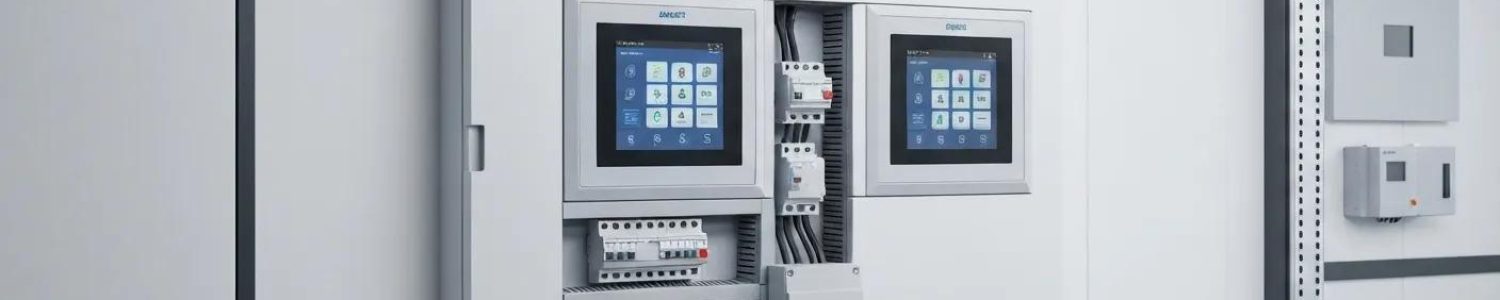
Modern commercial electrical panels integrate smart breakers, high-capacity bus bars, and advanced monitoring to deliver four core benefits: enhanced energy efficiency, superior safety, scalable power capacity, and future-proof adaptability. By optimizing load distribution and integrating with building management systems, these panels reduce waste, prevent hazards, accommodate growing electrical demands, and support emerging technologies—all essential for cost-effective, compliant operations.
How Do Modern Panels Improve Energy Efficiency and Reduce Costs?
Modern panels centralize power distribution and use precision-engineered circuit breakers and metering to minimize energy losses and lower utility bills.
- Optimized Load Balancing – Smart breakers can automatically redirect power to critical circuits, reducing peak demand charges.
- Reduced Standby Consumption – Advanced panel designs minimize idle current draw, trimming phantom loads.
- Integration with Energy Management Systems – Real-time data from panel sensors enables targeted reductions in energy use.
Energy Efficiency in Commercial Buildings
Modern electrical panels, through optimized load balancing and integration with energy management systems, significantly reduce energy consumption and lower utility bills. These panels minimize energy losses and can lead to substantial cost savings for businesses. Furthermore, they contribute to sustainable building performance and enhanced safety measures.
This research supports the article’s claims about the energy-saving capabilities of modern electrical panels.
Modern panels’ energy-saving capabilities not only cut operational costs but also form the foundation for sustainable building performance, setting the stage for enhanced safety measures.
In What Ways Do Modern Panels Enhance Safety Compared to Old Systems?
Modern panels incorporate Arc-Fault Circuit Interrupters (AFCIs) and Ground-Fault Circuit Interrupters (GFCIs) that detect arcing and ground faults before they escalate into fires or shocks.
- Arc-Fault Detection protects against wiring wear and arcing faults that can ignite insulation.
- Ground-Fault Protection prevents dangerous current leaks to equipment frames or water pipes.
- Overcurrent Coordination ensures breakers trip selectively, isolating faults without disrupting the entire facility.
Electrical Safety Standards
Modern electrical panels incorporate Arc-Fault Circuit Interrupters (AFCIs) and Ground-Fault Circuit Interrupters (GFCIs) to detect and prevent electrical hazards. These safety features are crucial in reducing fire and shock risks, ensuring uninterrupted and safe operations within commercial settings. Compliance with these standards is essential for business safety.
This citation reinforces the article’s discussion on the enhanced safety features of modern electrical panels.
By embedding these protective mechanisms, modern panels drastically reduce fire and shock risks, enabling businesses to maintain uninterrupted, safe operations—while preparing for higher power demands.
How Do Modern Panels Support Increased Power Capacity for Business Growth?
Modern commercial panels feature modular bus bars rated up to 600 amps and expansion slots for additional breaker modules, enabling seamless capacity upgrades.
- High-Ampere Bus Bars accommodate heavy electrical loads for new equipment installations.
- Modular Design allows easy insertion of extra breaker modules without rewiring the entire panel.
- Future Expansion Slots reserve space for upcoming power demands, avoiding costly replacements.
This scalable architecture ensures businesses can add machinery, lighting, HVAC, and technology systems without overloading circuits—paving the way for continued growth and modernization.
Why Is Future-Proofing Important with Modern Electrical Panels?
Future-proofing ensures that electrical infrastructure adapts to evolving commercial needs—such as EV charging, data centers, and IoT integration—without disruptive overhauls. Modern panels offer:
- Smart Connectivity for remote diagnostics and firmware updates.
- Space Reservations for upcoming breaker installations.
- Compatibility with Renewable Inputs like solar inverters and battery storage.
By selecting a panel built for tomorrow’s requirements, businesses avoid repeated upgrade cycles and maintain cost-effective, code-compliant power distribution.
Transitioning from these advantages highlights the serious risks posed by outdated systems that many facilities still operate today.
What Risks Do Old Commercial Electrical Systems Pose to Businesses?
Outdated commercial panels rely on aging fuse blocks, corroded connections, and limited capacity—creating hazards that threaten both assets and personnel. The main risks include fire and failure, warning-sign avoidance, equipment damage, and regulatory non-compliance, each undermining business continuity and safety.
How Do Outdated Panels Cause Fire Hazards and Electrical Failures?
Obsolete panels lack arc-fault detection and use worn connectors prone to arcing, which heats conductors and ignites insulation. Frequent loose connections generate hotspots that degrade bus bars and cause unpredictable failures. These thermal events often go unnoticed until a full-blown fire occurs, endangering property and lives.
What Are the Common Signs of an Old Electrical Panel Needing Replacement?
Businesses should watch for these indicators of an aging panel:
- Flickering or Dimming Lights under normal loads
- Burnt or Rusted Components visible on panel covers and breakers
- Frequent Fuse or Breaker Trips during routine operations
- Unusual Noises or Odors such as buzzing or burning smells
When these symptoms appear, immediate assessment is critical to prevent escalating electrical hazards.
How Do Old Systems Lead to Frequent Power Outages and Equipment Damage?
Limited amperage ratings and degraded connections in old panels cause circuits to overload and trip, interrupting productivity. Sudden voltage drops and spikes during trips stress sensitive equipment—leading to motor burnout, data losses, and short-term downtime that erodes revenue and reputation.
Why Are Old Panels Often Non-Compliant with Current Electrical Codes?
Many legacy panels predate modern NEC mandates for dedicated GFCI circuits, AFCI protection, and accurate panel labeling. Failure to meet current load calculation methods, required clearances, and safety device installations can result in inspection failures, fines, and voided insurance coverage—posing serious regulatory and financial threats.
Having identified these risks, the next step is understanding how a structured upgrade process can mitigate them and deliver lasting benefits.
How Does the Commercial Electrical Panel Upgrade Process Work?
A commercial panel upgrade follows four phases: load assessment, planning and design, professional installation, and final testing—ensuring safety, compliance, and optimized performance.
Commercial Electrical Panel Upgrades
The commercial electrical panel upgrade process involves a structured approach, including load assessment, planning, professional installation, and final testing. This process ensures safety, compliance, and optimized performance. Professional installation is critical for code adherence, ensuring correct breaker sizing and ground integrity.
This research supports the article’s explanation of the commercial electrical panel upgrade process.
Each phase builds on the previous one to deliver a reliable, efficient, and scalable power distribution system.
What Are the Key Steps in Assessing and Planning an Electrical Panel Upgrade?
A comprehensive assessment covers load studies, code reviews, and site surveys to determine panel requirements:
- Load Calculation to quantify existing and future electrical demands.
- Code Compliance Review against current NEC and local regulations.
- Site Inspection of wiring, conduit, and panel space.
- Cost Estimation factoring equipment, labor, and permits.
This planning phase defines scope, budget, and timeline—laying the groundwork for a seamless installation.
What Installation Procedures Ensure a Safe and Efficient Upgrade?
Professional installers follow standardized protocols—shutting down power, removing old equipment, wiring new breakers, and grounding per NEC guidelines. After mounting the panel and terminating conductors, they perform insulation resistance tests and load-bank simulations to verify performance. For specialized needs like high-amp service or smart metering, Point A Electric provides expert support for electrical panel upgrades across the Charlotte area, ensuring all work meets safety and efficiency standards.
These meticulous procedures guarantee code adherence and system reliability before moving on to cost considerations.
What Factors Influence the Cost of Upgrading Commercial Electrical Panels?
Upgrade cost varies based on amperage rating, panel type, wiring complexity, and labor rates:
- Panel Size and Rating – Higher amps and larger bus bars increase material expenses.
- Circuit Quantity – More breaker slots require additional breakers and wiring.
- Labor and Permit Fees – Licensed electricians and local inspections add to total investment.
- Accessory Equipment – Smart modules, surge protectors, and metering gear raise costs.
Understanding these factors helps businesses budget accurately and anticipate return on investment.
Are There Financing Options Available for Commercial Panel Upgrades?
Many electrical contractors and financial institutions offer flexible funding solutions to spread upgrade costs over time. Common options include:
- On-Bill Financing through utility programs tied to energy savings.
- Equipment Leasing for panel assemblies and monitoring hardware.
- Tax Incentives and Rebates that lower upfront costs by up to 30 percent.
These financing strategies boost ROI by aligning payments with realized energy and maintenance savings.
With the upgrade process clear, the focus shifts to how modern panels maintain compliance with commercial building codes.
How Do Modern Electrical Panels Ensure Compliance with Commercial Building Codes?
Modern panels are engineered and labeled to meet or exceed NEC and local code requirements—eliminating inspection hurdles and safeguarding business continuity. By integrating tested breakers, proper spacing, and accurate load documentation, these systems prevent fines and enhance overall safety.
What Are the National Electrical Code (NEC) Requirements for Commercial Panels?
The NEC mandates these key requirements for commercial installations:
- Overcurrent Protection rated to maximum circuit load.
- AFCI and GFCI Devices for specified circuits.
- Clear Working Space of at least 30 inches in front of the panel (or as specified by NEC 110.26).
- Permanent Panel Labeling with circuit identification.
Adhering to these provisions ensures panels meet federal and local inspection standards.
How Does Compliance Prevent Fines and Enhance Business Safety?
Panels built to code avoid costly rework and inspection failures that can lead to shutdown orders or regulatory penalties. Properly protected circuits reduce fire risks and protect employees—enhancing insurance eligibility and preserving uninterrupted operations.
Why Is Professional Installation Critical for Code Adherence?
Licensed electricians possess in-depth NEC knowledge and maintain current certifications to interpret code updates. Their expertise ensures correct breaker sizing, ground and bonding integrity, and permit acquisition—preventing hidden violations that undermine safety and compliance.
Having secured code compliance, businesses can further leverage modern panels to optimize energy use and sustainability.
What Energy Efficiency Solutions Do Modern Commercial Electrical Panels Offer?
Modern panels deliver integrated energy-saving features—real-time monitoring, load management, and renewable integration—to reduce consumption, carbon footprint, and operating costs. By embedding smart technology at the panel level, businesses gain actionable insights and automated controls for sustainable performance.
How Do Smart Electrical Panels Enable Real-Time Energy Monitoring?
Smart panels incorporate digital sensors on each breaker and bus bar, streaming data to dashboards for live analysis.
- Submetering per Circuit allows pinpointing of high-use equipment.
- Peak Demand Alerts notify managers before costly demand charges apply.
- Remote Reset and Diagnostics minimize maintenance delays.
These capabilities empower energy managers to target inefficiencies and optimize usage across the facility.
What Load Management Strategies Reduce Operating Costs?
Panel-based load management sequences prioritize essential circuits and shed noncritical loads during peak periods.
- Demand Response Participation to tap utility incentives.
- Circuit Prioritization for HVAC, lighting, and production equipment.
- Time-of-Use Scheduling aligning high-energy tasks with off-peak rates.
Sophisticated load control reduces utility bills and supports sustainable energy goals.
How Can Businesses Lower Their Carbon Footprint with Modern Panels?
Efficient distribution and intelligent controls enable seamless integration of on-site renewables and electric vehicle charging.
- Solar Inverter Compatibility for direct panel hookup.
- EV Circuit Management to prevent overloads.
- Load Shifting to Renewables through automated transfer switches.
By reducing reliance on fossil-fuel power and optimizing renewable use, businesses shrink their carbon emissions and meet green building targets.
Are There Government Incentives for Energy-Efficient Electrical Upgrades?
Federal, state, and utility programs offer tax credits and rebates for installing high-efficiency panels and controls.
- Federal Energy Investment Tax Credit covering up to 30 percent of eligible equipment (recently increased from 26 percent).
- State Rebates for demand-controlled panels.
- Utility Incentive Programs tied to metered savings.
These incentives lower upgrade costs and accelerate payback periods for energy-efficient electrical solutions.
Equipped with efficiency and compliance measures, decision-makers can compare modern panels to old systems in a structured analysis.
How Do Modern Panels Compare to Old Systems: A Detailed Feature Comparison?
A side-by-side comparison underscores modern panels’ superior safety, capacity, and intelligence versus legacy fuse-based systems.
| Panel Type | Key Feature | Commercial Benefit |
|---|---|---|
| Modern Panel | AFCI & GFCI Protection | Prevents fires and shocks, ensuring uninterrupted safety |
| Modular Bus Bars | Supports up to 600 amps and expansion without overhaul | |
| Smart Monitoring | Delivers real-time energy data and predictive alerts | |
| Old System | Fuse Blocks | Prone to arcing faults and unpredictable trips |
| Fixed Capacity | Limited to original amperage, hindering growth | |
| No Digital Controls | Lacks energy usage visibility, increasing waste |
When Should Commercial Businesses Consider Upgrading Their Electrical Panels?
Commercial operators should plan upgrades when panels display warning signs, approach end-of-life, or fail to meet expanding demands. Proactive replacement prevents disruptions, secures compliance, and maximizes return on investment.
What Are the Warning Signs of an Outdated Electrical Panel?
Businesses should address these red flags promptly:
- Frequent Breaker Trips during normal operations
- Warm Panel Surface indicating loose connections
- Corroded or Discolored Bus Bars under the panel cover
- Insufficient Circuit Outlets for current equipment load
Recognizing these issues early allows for scheduled upgrades rather than emergency repairs.
How Often Should Commercial Electrical Panels Be Replaced or Upgraded?
Commercial panels typically require replacement every 25–40 years, depending on load cycles and environmental conditions. Material degradation, evolving code requirements, and rising power needs often necessitate earlier upgrades to maintain safety and performance.
How Does Upgrading Improve Business Continuity and Reduce Downtime?
Modern panels with predictive diagnostics and selective trip coordination minimize unplanned outages. Features like remote reset and automated load transfer enable rapid recovery, ensuring critical operations remain online and downtime costs are dramatically reduced.
Upgrading to a modern commercial electrical panel delivers lasting efficiency, safety, and capacity—empowering businesses to focus on growth rather than interruptions. Book a call today with Point A Electric to discuss a tailored panel upgrade plan that enhances compliance, slashes energy costs, and secures your facility’s future.